Introduction
The end of one gardening season marks the beginning of another, and as I gaze upon the autumnal garden, my mind drifts into the exciting realm of next year’s possibilities. Planning a garden isn’t just about planting seeds; it’s a journey of anticipation, filled with visions of vibrant blooms, lush foliage, and the promise of a fruitful harvest.
Join me as I embark on the planning phase for my garden in the coming year. It’s a time of contemplation, strategy, and laying the groundwork for what nature will help flourish in the seasons ahead. I’ll be sharing my process, from the size considerations to soil preparation, weed control, row spacing, and more. It’s a personal account of how I’m getting my hands dirty, both literally and figuratively, to nurture the garden of my dreams.
As we navigate through the various steps of garden planning, I hope to offer insights, experiences, and perhaps a few lessons learned along the way. So, let’s dive into the world of garden planning, where anticipation blooms as beautifully as the flowers we’re envisioning.

Garden Size
In the intricate art of garden planning, size holds a paramount role. After meticulous contemplation, I’ve settled on a garden space measuring 50 feet by 50 feet for the upcoming growing season. This choice is a result of several considerations that weigh heavily on the success and practicality of the garden.
Firstly, the 50×50 size strikes a harmonious balance between being sizable enough to cater to my gardening aspirations and yet manageable within my busy schedule. It allows ample room for a variety of plants, vegetables, and flowers without overwhelming maintenance demands. This size not only fits my gardening vision but also aligns with the time I can devoutly dedicate to nurturing the garden’s growth.
Another crucial factor influencing this decision is the ease of maintenance and resource management. The 50×50 dimensions present a practical landscape for irrigation. Using a single sprinkler system for the entire garden simplifies watering routines, ensuring each corner receives adequate hydration without the complexity of multiple systems or intricate arrangements.
Furthermore, this size is conducive to efficiently managing materials. From seeds to fertilizers and compost, the 50×50 area strikes a balance between abundance and practicality, allowing for efficient resource utilization without excessive waste.
In essence, the 50×50 dimensions encompass a sweet spot that caters to my gardening ambitions, aligns with my lifestyle, and facilitates efficient garden maintenance. This size forms the canvas upon which my garden dreams will flourish, offering a space where both nature’s bounty and practicality gracefully converge.
Preparing the Ground
Preparing the soil is akin to laying the groundwork for a flourishing garden. As I gear up for the next growing season, my approach involves a well-thought-out strategy to ensure the soil is at its prime for nurturing healthy, thriving plants.
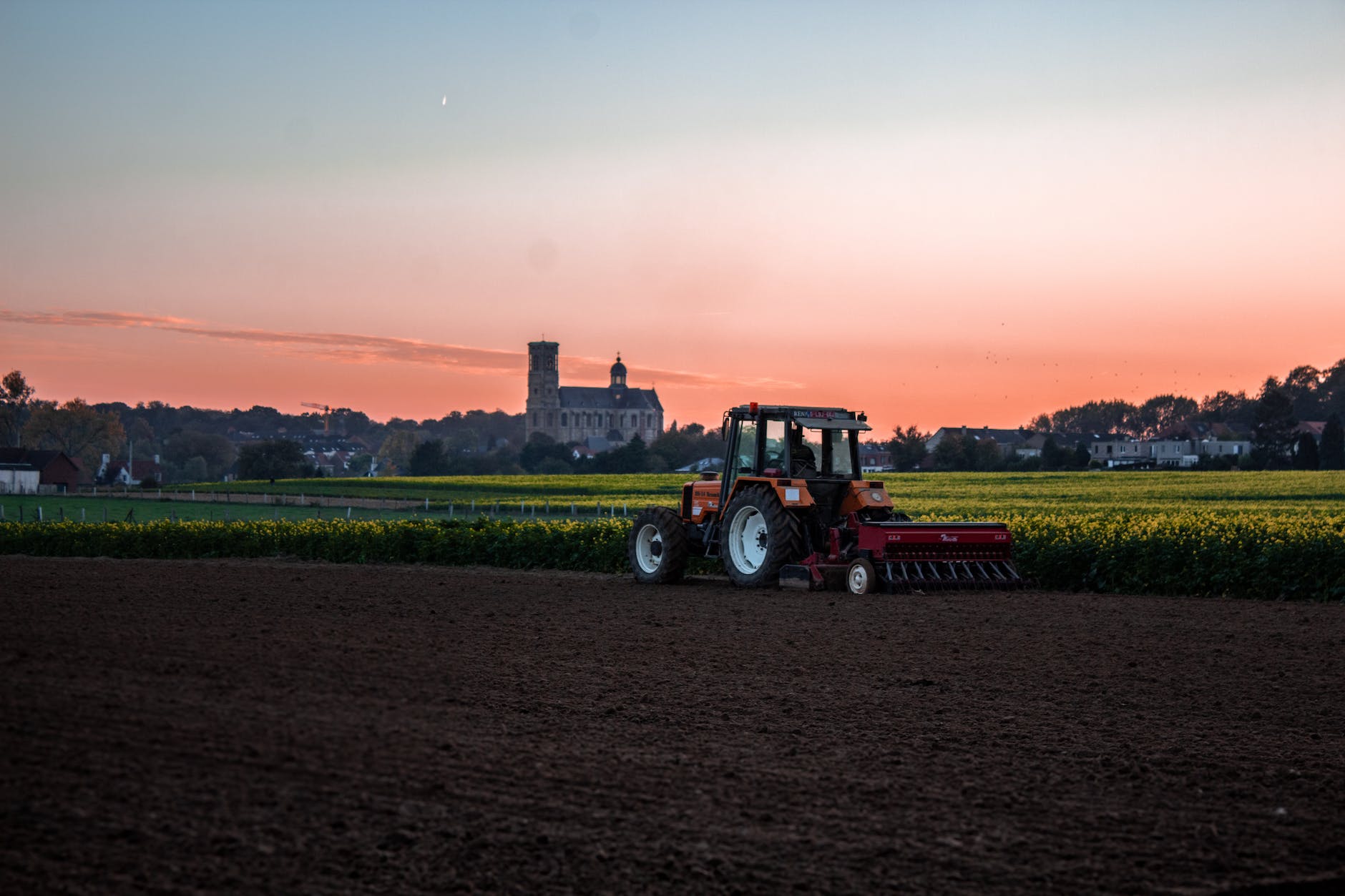
My soil preparation ritual revolves around a meticulous choreography of actions. To kick-start this process, I’m planning to employ the plow and box blade attachments for my trusty garden tractor’s sleeve hitch. This dynamic duo will be instrumental in tilling the soil and leveling it out, creating a smooth, primed canvas for planting.
However, the key to successful soil preparation doesn’t solely lie in the equipment but also in understanding the soil itself. Days before diving into the plowing and leveling, I intend to dampen the soil slightly. This preliminary step aims to strike a balance—softening the ground for easier maneuvering and tilling without turning it into a muddy mess. This strategic approach allows for optimal workability without compromising the soil’s structure, ensuring it’s receptive to nurturing the seeds and plants soon to grace its surface.
With a calculated balance between moistness and manageability, this preparatory phase aims to create an optimal environment where the soil becomes a nurturing medium, eagerly awaiting the seeds that will burgeon into a vibrant, verdant garden.

Weed Control
An immaculate garden canvas calls for diligent weed control, and my planning for the next gardening season revolves around this essential aspect. As I set the stage for a flourishing garden, weed prevention and control hold paramount importance in my preparatory checklist.
One tactic I’m employing to combat weed growth is to schedule tilling and leveling of the garden during the winter months. By strategically working the soil in colder seasons, I aim to disrupt the lifecycle of any existing plants, effectively clearing the ground from unwanted growth. This timing allows the cold weather to play its part in helping dormant seeds perish, setting the stage for a fresh start in the upcoming growing season.
To further fortify my arsenal against weeds, I’m considering two additional approaches. One option is to lay a protective layer of cardboard over the prepared soil, allowing it to rest throughout the winter. This method acts as a natural weed barrier, smothering any lingering seeds and impeding their growth. Alternatively, a thick layer of wood chips, obtained from a local arborist, presents an excellent mulching solution. Not only does this natural covering suppress weed growth by restricting sunlight, but it also retains moisture, promotes soil health, and adds organic matter as it decomposes, enriching the soil for future plantings.
By employing these proactive measures, my strategy aims to create an environment conducive to plant growth while effectively curbing weed proliferation. As the garden lies dormant during the colder months, these preparatory measures serve as a proactive shield against unwanted intruders, setting the stage for a bountiful and weed-free growing season ahead.
Row Spacing
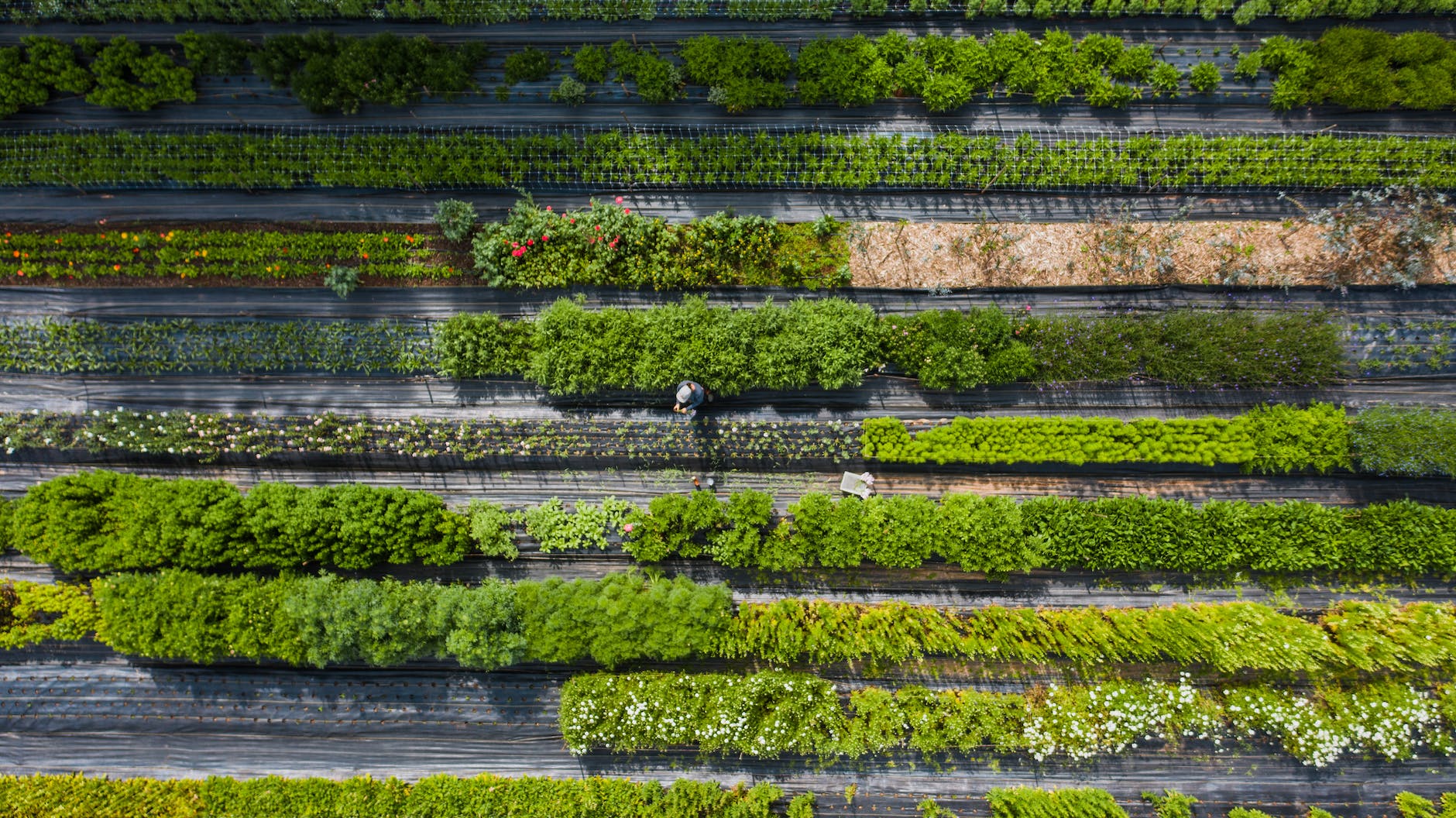
As the dormant season gives way to the rejuvenation of spring, meticulous planning for my garden extends to the arrangement and spacing of rows. Drawing inspiration from Jean-Martin Fortier’s insightful tome, “The Market Gardener,” I’m inclined to adopt a layout conducive to efficient cultivation and optimal yields.
In line with Fortier’s principles, I’m considering the implementation of 30-inch-wide rows with a deliberate 18-inch spacing between them. This configuration has been proven to facilitate efficient planting, maintenance, and harvesting while maximizing space utilization within the garden.
With this strategic row spacing, I aim to strike a balance between plant accessibility and soil conservation. The broader 30-inch rows will afford ample space for easy maneuverability during planting and upkeep activities, allowing me to tend to the plants without causing soil compaction. Meanwhile, the narrower gap of 18 inches between the rows optimizes land utilization by accommodating a greater number of plants, fostering an environment conducive to healthy growth and robust yields.
Embracing this row spacing strategy inspired by Fortier’s meticulous methods, I anticipate a harmonious garden layout that promotes efficient cultivation, ease of access, and optimal plant development. As I fine-tune the garden’s blueprint, I’m excited about the prospects of a well-organized and productive growing space for the upcoming season.
Conclusion
As I chart the course for my garden in the coming year, each aspect of planning feels like a brushstroke contributing to the vivid canvas of possibilities. The meticulous considerations encompassing size, soil preparation, weed control, and row spacing are the foundational keystones of a flourishing garden-to-be.
Opting for a 50 by 50-foot dimension, I’ve found the sweet spot where manageability meets productivity. This size allows for efficient irrigation, ease of maintenance, and a canvas vast enough to nurture a diverse array of crops.
Preparing the soil involves both physical groundwork and strategic timing. Leveraging the plow and box blade attachments, coupled with pre-wetting the ground, sets the stage for a conducive growing medium ready to nurture seeds and saplings.
Weed control and soil nurturing find their expression in the decision to blanket the garden with cardboard or wood chips during winter, ensuring a welcoming, weed-free environment come spring.
Inspired by Jean-Martin Fortier’s wisdom, the choice of 30-inch rows with 18-inch spacing balances accessibility and utilization, embodying an ethos of efficiency and optimal land use.
With these plans sown and nurtured, I anticipate a garden brimming with life, vibrancy, and the promise of a bountiful harvest. As I embark on this journey of cultivation, the blueprint reflects not only a thoughtful approach but also an earnest hope for the flourishing tapestry of nature’s abundance.
Join me on this gardening adventure! Follow us on social media to witness the seasons transform this plan into a thriving garden bursting with life and color.

 Rural Innovators Notebook