Introduction
Are you ready for the grand finale of our electrifying journey through the world of garden tractor modifications? In this final installment, we’ve gathered the most frequently asked questions (FAQs) to provide you with comprehensive insights into our electric sleeve hitch project and garden tractor enhancements in general.
If you’re new to this series, or even if you’ve been following along, this FAQ blog post is your ultimate resource for understanding the essence of a garden tractor’s sleeve hitch, the benefits of making it electric, and the countless possibilities it brings to your landscaping and lawn care endeavors.
So, let’s dive into these burning questions and discover the keys to unlocking the full potential of your garden tractor and sleeve hitch combination. Whether you’re a seasoned enthusiast or just starting your tractor modification journey, there’s something here for everyone. Let’s get started!

What is a Sleeve Hitch?
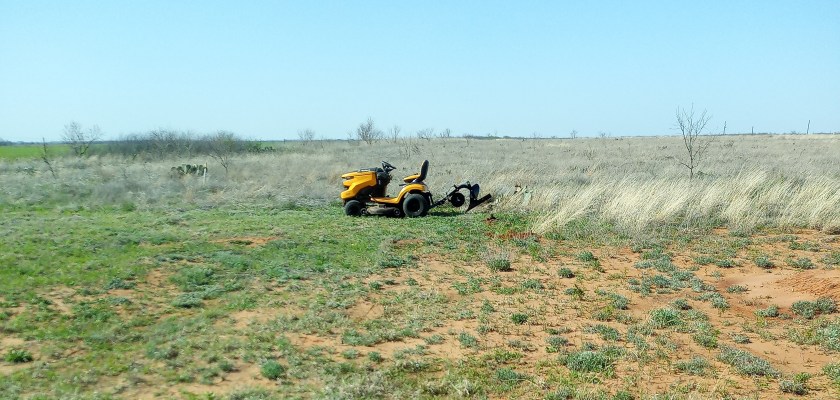
A sleeve hitch is a crucial attachment for garden tractors that provides the foundation for a wide range of landscaping and gardening tasks. It’s essentially a hitch system that attaches to the rear of a garden tractor, allowing you to connect various ground-engaging attachments. Sleeve hitches are designed to accommodate a sleeve or hitch tube, which fits over a stationary hitch pin.
This ingenious design enables you to easily raise and lower attachments, providing precise control over the depth and angle of the implement you’re using. Sleeve hitches are versatile, making them ideal for tasks such as plowing, cultivating, tilling, and more. They empower your garden tractor to transform into a multi-functional workhorse, allowing you to tackle a variety of outdoor projects with ease.
Sleeve hitches are typically operated manually, requiring physical effort to adjust attachment height and angle. However, as demonstrated in our electric sleeve hitch project, you can electrify this system for more convenience and efficiency, making it an exciting component for garden tractor enthusiasts and those who take their lawn care and landscaping seriously.


Why Make it Electric?
Transforming a traditional manual sleeve hitch into an electric version offers several compelling advantages:
- Enhanced Convenience: Electric sleeve hitches are user-friendly, providing effortless control of ground-engaging attachments. Instead of physically adjusting the hitch’s height and angle, you can use a simple control system to raise and lower the attachments as needed. This feature is especially beneficial when you have multiple tasks in your garden or yard.
- Increased Efficiency: The electric system significantly speeds up the process of attaching, detaching, and adjusting implements. It allows you to complete tasks more efficiently, reducing the time and effort required for various landscaping and gardening projects.
- Versatility: An electric sleeve hitch opens the door to a broader range of attachments. Whether you need to plow, cultivate, level, or aerate your land, the electric system provides precise control, making it suitable for various applications.
- Reduced Physical Strain: Operating a manual sleeve hitch can be physically demanding, especially for tasks that involve frequent adjustments. An electric system eliminates the need for strenuous lifting or pushing, reducing the risk of strain or fatigue.
- Accessibility: Electric sleeve hitches make garden tractors and their attachments more accessible to a wider range of users. Anyone, regardless of physical strength or mobility, can efficiently operate the system, making it an excellent choice for all garden tractor enthusiasts.
Overall, electrifying a sleeve hitch elevates its functionality and ease of use, turning your garden tractor into a versatile, efficient, and accessible workhorse for all your outdoor endeavors.

What Can Be Attached to a Sleeve Hitch?
A sleeve hitch significantly expands the versatility of your garden tractor, allowing you to attach various ground-engaging implements for a wide range of outdoor tasks. Here are some of the most common attachments you can use with a sleeve hitch:
- Plow: Sleeve hitches are perfect for attaching plows, allowing you to turn over and aerate the soil for planting, gardening, or landscaping purposes. Plows come in various designs, including moldboard plows and disk plows, each suitable for different types of soil and tasks.
- Box Blade: Box blades are excellent for leveling uneven terrain, grading gravel driveways, and maintaining your property. They consist of multiple blades or teeth that can be adjusted to control the depth of the cut and leveling effect.
- Disk Cultivators: Disk cultivators are ideal for breaking up compacted soil, preparing seedbeds, and incorporating compost or other materials into the ground. They consist of rotating disks that cut and mix the soil.
- Landscape Rakes: Landscape rakes are useful for tasks like removing debris, rocks, and roots from the soil, as well as preparing seedbeds and leveling uneven ground. They are equipped with tines or teeth that comb through the soil.
- Harrow Attachments: Harrow attachments are versatile and come in various forms, such as chain harrows, spike harrows, or spring-tooth harrows. They are used for leveling, aerating, and breaking up soil clumps.
- Aerators: For maintaining your lawn, aerator attachments can be used with a sleeve hitch to perforate the soil, allowing air, water, and nutrients to penetrate the ground and promote healthy grass growth.
- Drag Harrows: Drag harrows are suitable for tasks like smoothing riding arenas, leveling gravel driveways, or spreading manure. They are designed to be dragged behind a garden tractor to perform these tasks efficiently.
These are just a few examples of the many attachments that can be used with a sleeve hitch, depending on your specific landscaping and gardening needs. The ability to easily swap and connect these implements to your garden tractor provides a versatile and efficient solution for outdoor projects of all kinds.

Is a Garden Tractor Powerful Enough?
The answer to this question is both “yes” and “no,” and it largely depends on the specific task at hand and your patience and time constraints.
Yes, for Smaller Tasks: Garden tractors are well-suited for a variety of outdoor tasks, especially those around your garden, front yard, and backyard. They provide the power and versatility needed for activities like plowing small garden plots, leveling uneven terrain, aerating your lawn, and performing light landscaping or gardening tasks. For these smaller projects, a garden tractor is a powerful and efficient choice.
No, for Large-Scale Projects: When it comes to larger tasks, such as plowing several acres of land or tackling heavy-duty earthmoving projects, the power of a garden tractor may fall short. In such cases, where time and efficiency are critical, it might be more practical to rent or use heavier machinery like compact tractors or farm tractors equipped with dedicated implements. These larger machines are designed to handle more extensive and demanding workloads.
In summary, a garden tractor is an excellent choice for typical residential tasks and projects that require maneuverability and precision. However, for large-scale agricultural or commercial projects, it’s often more efficient and cost-effective to use specialized heavy machinery. The suitability of a garden tractor depends on the scale and nature of the work you intend to undertake.

What’s the ideal weight capacity for a linear actuator when modifying a garden tractor’s sleeve hitch?
When selecting a linear actuator for your garden tractor’s sleeve hitch modification, it’s essential to consider the weight capacity carefully. The ideal weight capacity will depend on the combined weight of the heaviest attachment you plan to use, the weight of the sleeve hitch arm, and a safety margin.
Determine Attachment Weight: Start by identifying the heaviest attachment you intend to use with your garden tractor’s sleeve hitch. This could be a plow, box blade, disk cultivator, or any other implement. Find the manufacturer’s specifications or weigh the attachment if necessary.
Add Sleeve Hitch Arm Weight: Include the weight of the sleeve hitch arm itself in your calculations. This weight is a constant factor and should be factored in to ensure the linear actuator can handle the full load.
Safety Margin: To provide a margin of safety and account for variations in weight distribution, terrain conditions, and potential unforeseen circumstances, it’s recommended to add around 15% to the total weight. This additional capacity serves as a buffer to prevent overloading the linear actuator and ensures smooth, reliable operation.
By following this approach and choosing a linear actuator with a weight capacity that exceeds the calculated total, you’ll help ensure that your garden tractor’s sleeve hitch modification functions efficiently and can handle the demands of your chosen attachments without strain.

Do you need any special tools or skills to complete this project?
Completing the project of electrifying your garden tractor’s sleeve hitch does not require any specialized skills, but it does involve some basic tools and a general understanding of electrical and mechanical components. Here’s what you need:
Tools:
- End Wrenches and Sockets: These are essential for assembling and disassembling components.
- Universal Drill Bit: A drill bit that can work with various materials and thicknesses is handy for creating holes.
- Drill: You’ll need a drill for making holes in the sleeve hitch for mounting the linear actuator and attaching the sleeve hitch to your garden tractor.
- Measuring Tape: Precise measurements are crucial for proper component placement.
- Wire Stripper and Crimper: These tools are required for working with electrical wires.
- Screwdrivers: You’ll use screwdrivers for wiring on the circuit boards.
- Electric Tape: Useful for insulating electrical connections.
- Volt Meter (Optional): While not mandatory, a volt meter can be helpful for troubleshooting and ensuring electrical connections are functioning correctly.
Skills:
No specialized skills are necessary for this project. However, a basic understanding of electrical connections, mechanical assembly, and the ability to follow instructions are valuable. If you’re comfortable with DIY projects and have experience working with basic tools, you should be able to complete this modification successfully.
Remember that safety is a top priority when working with electrical components, so take appropriate precautions when handling wires and electrical connections.

How do I prevent overheating issues like you experienced with the transaxle?
Preventing overheating issues with the transaxle of your garden tractor is essential to ensure the longevity and proper functioning of your equipment. Here are some steps you can take to avoid overheating problems:
- Operate in Moderate Temperatures: Avoid using your garden tractor in extremely hot weather conditions. High temperatures can lead to the overheating of the hydrostatic transaxle. Choose cooler times of the day or seasons to operate your tractor when possible.
- Plan Work According to Soil Conditions: The hardness of the ground can affect the load on your tractor. If the soil is dry and hard, consider waiting until after rainfall to soften the ground. This will reduce the strain on your tractor’s transaxle when using attachments like plows or box blades.
- Avoid Overloading: Garden tractors have weight limits, and overloading them can strain the transaxle and lead to overheating. Be mindful of the attachments you use and ensure they are within the recommended weight capacity for your tractor.
- Gear-Driven Tractors: If your garden tractor has a traditional gear-driven transmission instead of a hydrostatic transmission, overheating is less likely to be an issue. These transmissions are less sensitive to heat and can handle heavy loads more effectively.
By following these guidelines and being cautious about the operating conditions and load on your garden tractor, you can reduce the risk of overheating issues with the transaxle. This will help maintain the tractor’s performance and extend its lifespan.
What’s next for your garden tractor modification projects?
The journey of modifying and enhancing my garden tractor doesn’t end with the electric sleeve hitch. I have some exciting plans for future projects, aimed at improving the tractor’s functionality and versatility:
- Transaxle Repair: My immediate plan is to address the overheating issue I faced with the garden tractor’s hydrostatic transaxle. I’ll be repairing and servicing the transaxle to ensure it operates smoothly and efficiently. This will involve draining and replacing the hydraulic fluid, along with any necessary repairs or adjustments.
- Tire Upgrade: I intend to swap out the rear tires of my garden tractor for ones that offer better traction. This upgrade will enhance the tractor’s performance, especially when navigating uneven or challenging terrains. Improved traction is vital for heavy-duty tasks and attachments.
- Front Bucket Addition: If time permits, I’m considering the addition of a front bucket attachment to one of my garden tractors. This versatile attachment allows for various tasks, such as moving soil, gravel, or debris. It’s a project that would further expand the tractor’s capabilities and make it even more of a workhorse in the garden and yard.
These future modifications are part of my ongoing commitment to optimizing my garden tractor for a range of tasks. I’ll be documenting these projects, just like the electric sleeve hitch, so stay tuned for more updates and insights into enhancing the capabilities of garden tractors.
If you have any other questions or ideas for garden tractor modifications, feel free to share them with me on social media. Your input and experiences are valuable in this journey of innovation and utility enhancement!
Conclusion
As we conclude this FAQ on garden tractor modifications and the electric sleeve hitch project, I hope it has provided valuable insights into enhancing the utility and versatility of your trusty garden tractor. Modifying your tractor can open up a world of possibilities, allowing you to tackle various tasks and projects around your property.
From understanding what a sleeve hitch is to addressing questions about power, attachments, and common challenges, we’ve explored the essential aspects of these projects. While garden tractors have their limitations, with thoughtful modifications and careful consideration of equipment and techniques, you can turn them into efficient workhorses.
Whether you’re a seasoned DIY enthusiast or just starting your journey in garden tractor modifications, remember that experimentation and adaptation are key. Don’t be afraid to take on new projects and learn along the way. The satisfaction of making your tractor work better for your specific needs is a rewarding experience.
Stay connected with us on social media to stay updated on our ongoing projects and share your own experiences. The world of garden tractor modifications is ever-evolving, and your ideas and insights can be an invaluable resource for the community.
Thank you for joining us on this journey, and we look forward to more exciting projects and discoveries in the world of garden tractor modifications. Until next time, keep those tractors running and those attachments working efficiently!
If you need any further information or have additional questions, please feel free to reach out on social media or through our website. We’re here to support and learn together as we enhance our garden tractors and expand their capabilities.
 Rural Innovators Notebook